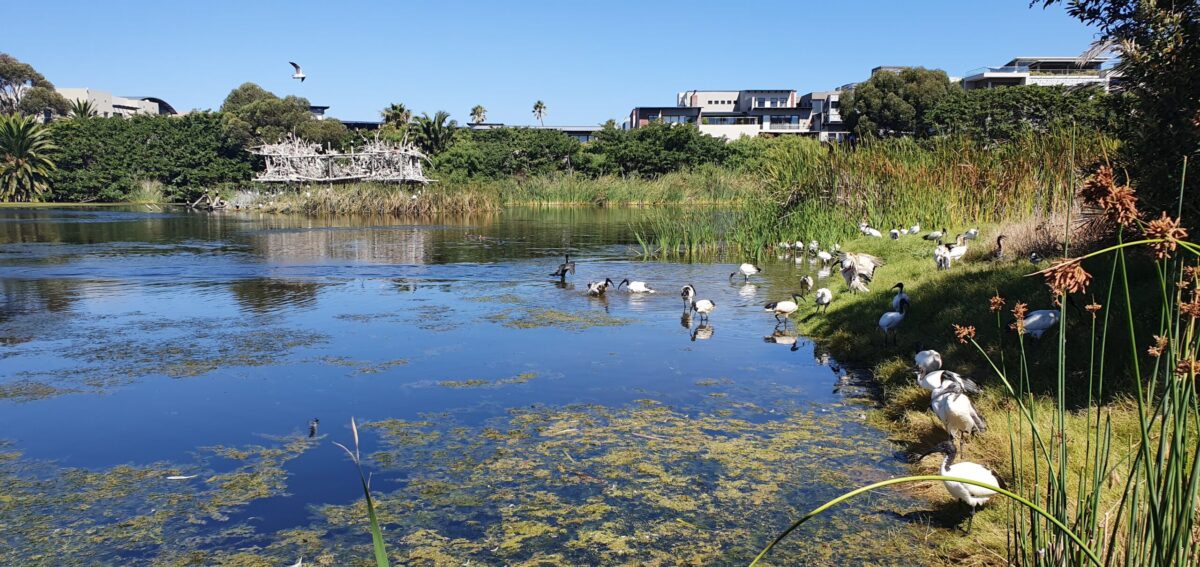
World Wetlands Day
World Wetlands Day is celebrated annually to raise global awareness about the importance of wetlands. Every day at Intaka Island, we aim to highlight the vital role wetlands play in biodiversity, climate regulation, and water quality.
Wetlands are vital to the upkeep of special conservation sites, like Intaka Island, and therefore we do our best to keep people informed and educated on why wetlands are so important to Intaka Island, and the greater ecosystem.
The Importance of Wetlands
Wetlands have many ecological, economic and social benefits.
Wetlands are among the most productive ecosystems on Earth. They act as natural filters, trapping pollutants and sediments from surface water, which helps to improve our water quality, and supporting a wide variety of our plant and animal species at Intaka Island. They also provide valuable resources such as fish which are essential to Intaka Island’s bird life.
Wetlands offer recreational opportunities such as birdwatching and hiking, amongst many other things, and in turn contributes to local tourism and economies. Just like Intaka Island, wetlands provide the perfect conditions for these opportunities and attract thousands of visitors each year, supporting jobs and local businesses, while providing entertainment and education at the same time.
Coastal wetlands, similar to the salt pans at Intaka Island, provide natural barriers against storm surges and coastal erosion, protecting homes and buildings from extreme weather events.
Intaka Island’s Wetlands and Water Systems
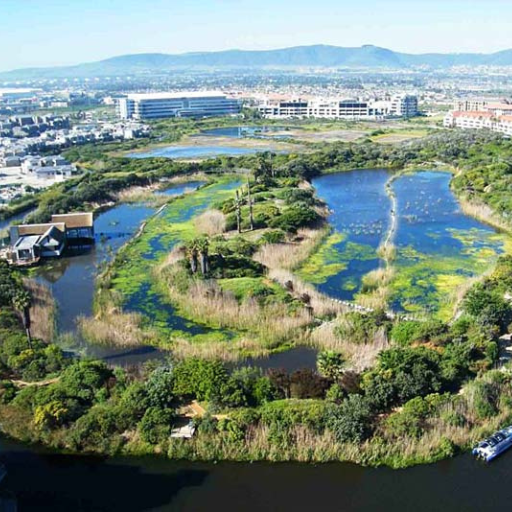
Intaka Island’s wetlands and canals demonstrate how engineering and natural processes can be used to improve the conservation of water.
The South Western half of Intaka Island was originally known as the Sewe Pannietjies before it was redesigned into four distinct ponds (called cells) with indigenous wetland vegetation. These constructed cells fulfil the natural role of a wetland, which is to filter and clean water.
The water is sourced from the 7km of canals that flow around Intaka Island and Century City and is pumped daily into the constructed wetlands through the four cells where it is cleaned before being returned to the canal system.
Cells 1 and 2
The first two cells are dominated by dense cape reed beds (Phragmites). These fast-growing plants can absorb large amounts of phosphate and other nutrients, thus starting the cleaning process.
The surface area of this cell is quite large and shallow, and so allows for the growth of reeds and for oxygen to re-enter the water. The reed beds also create a habitat for many birds.
Cell 3
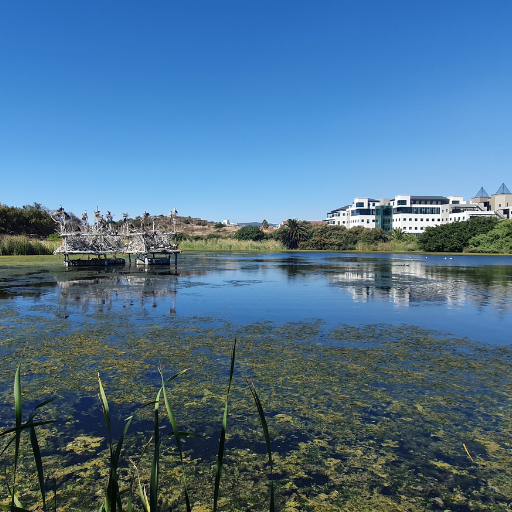
Cell 3 is home to the award-winning heronries (wooded islands), which are designed to encourage birds to roost and breed.
This cell is very different from the first two in that it is relatively large and deep, comprising mainly of open water. This is done to expose the water to wind, which aids the oxygenation process of bacteria that break down the nitrogenous compounds that flourish in this open water.
Cell 4
The last cell is a very shallow marshland, with high diversity of vegetation that adds the final step to the water “scrubbing” process before the water re-enters the canal system. The canal system is approximately 7km long with an average depth of 1.6m. Water flows by gravity though the wetlands, completing a round trip in approximately 65 days.
We Value Our Wetlands
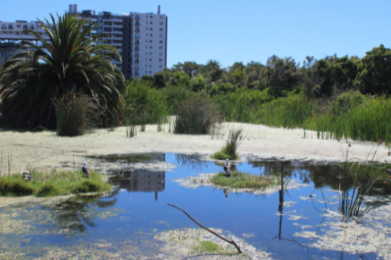
Wetlands are often overlooked and undervalued, and yet, are among the most productive ecosystems on Earth. While this unique environment supports a vast array of plant and animal life at Intaka Island, it also plays a vital role in maintaining the health of our planet. Their destruction has profound consequences for both the environment and humans. Therefore, at Intaka Island, we remain committed to protecting our wetlands and valuing the many ways they sustain and support us.

