Celebrating World Migratory Bird Day At Intaka: A Sanctuary Along The Way
World Migratory Bird Day is a global reminder that birds are among nature’s greatest travellers, crossing continents and oceans in seasonal journeys that connect ecosystems around the world.
This special day was initiated by the Smithsonian Migratory Bird Center in 1993 (as International Migratory Bird Day), and later expanded globally in 2006 by the UN Environment Programme (UNEP) together with CMS and AEWA. The purpose of the special day is to highlight the interconnectedness of bird migration routes and habitats across continents, a connection that is clearly reflected at Intaka Island, offering migratory birds a sanctuary to rest, feed and recover.
The 2026 theme is “Every Bird Counts – Your Observations Matter”, this theme recognises both the importance of bird migration and the value of human exploration and inquiry. It shines a light on people-driven efforts that are essential for bird conservation and science.
Why Do Birds Migrate?
Birds rely on habitats that provide sufficient food to nest and raise their chicks, but because food availability, weather patterns, and habitat conditions change with the seasons, they must move from one place to another in order to survive and thrive. Wetlands like Intaka Island offer a crucial refuge when conditions elsewhere become less favourable.
How Do They Know It’s Time?
A bird’s urge to migrate is hormonal. Changes in natural sunlight trigger hormones that make them restless, encourage them to gather in flocks, and drive them to eat more in preparation for long journeys ahead. As winter approaches and the availability of insects and other food sources decline, many species set off on migration. Escaping the cold is a motivating factor but many species, including hummingbirds, can withstand freezing temperatures if an adequate supply of food is available along the way.
Migratory birds also play an essential role in maintaining ecosystem balance by supporting pollination, pest control and seed dispersal. Their movements between various regions help sustain biodiversity across continents.
Next stop: Intaka Island!
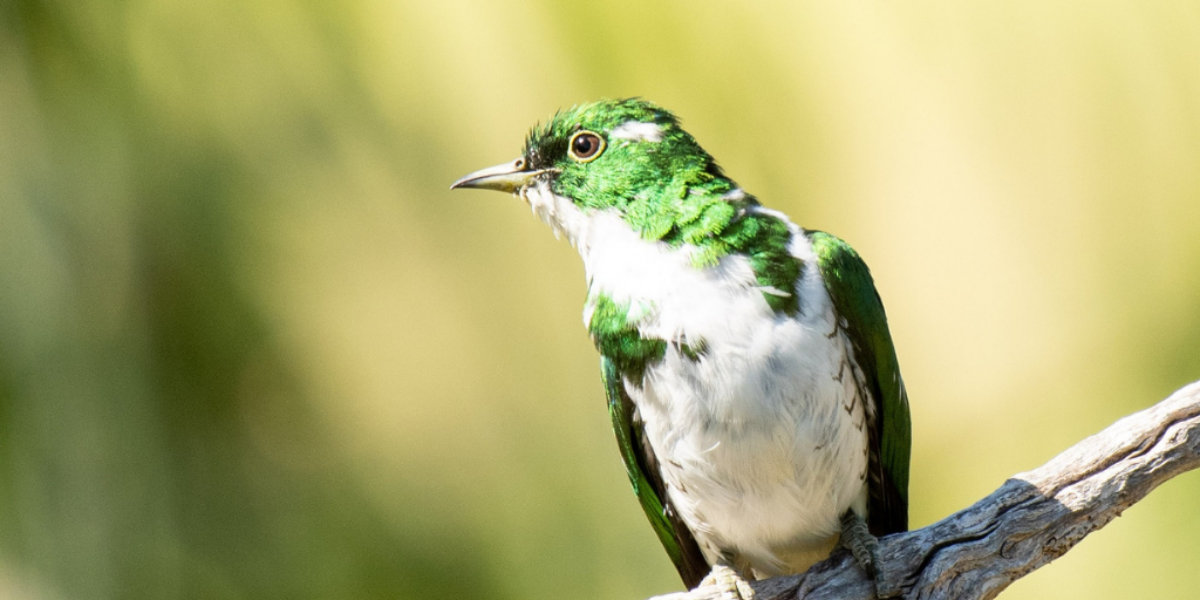
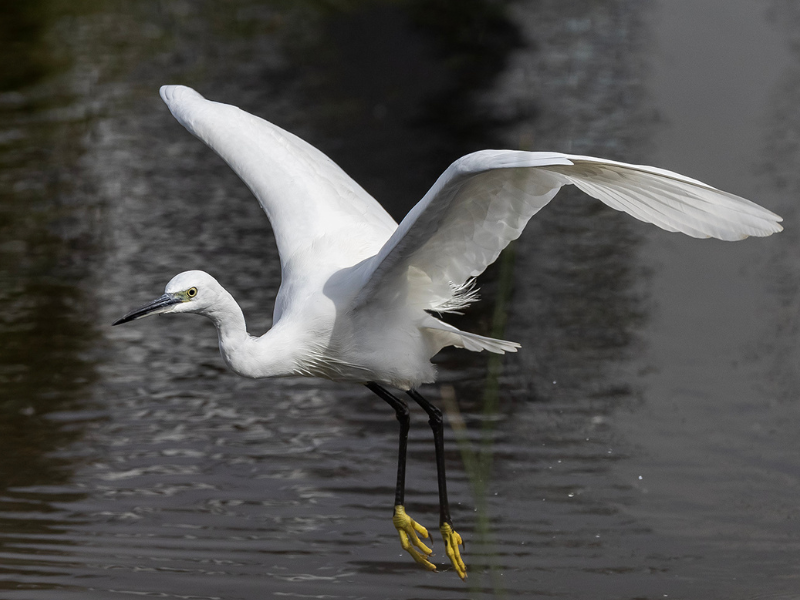
Birds don’t recognise borders, but they do rely on specific habitats to survive. Wetlands like Intaka Island act as essential pit stops along the way where birds can stop to rest, refuel and recover. Many migratory birds are drawn to our preserved wetland and its abundant biodiversity, with summer visitors often heard from as early as October (though this changes yearly, depending on environmental factors).
A Sanctuary Within The City
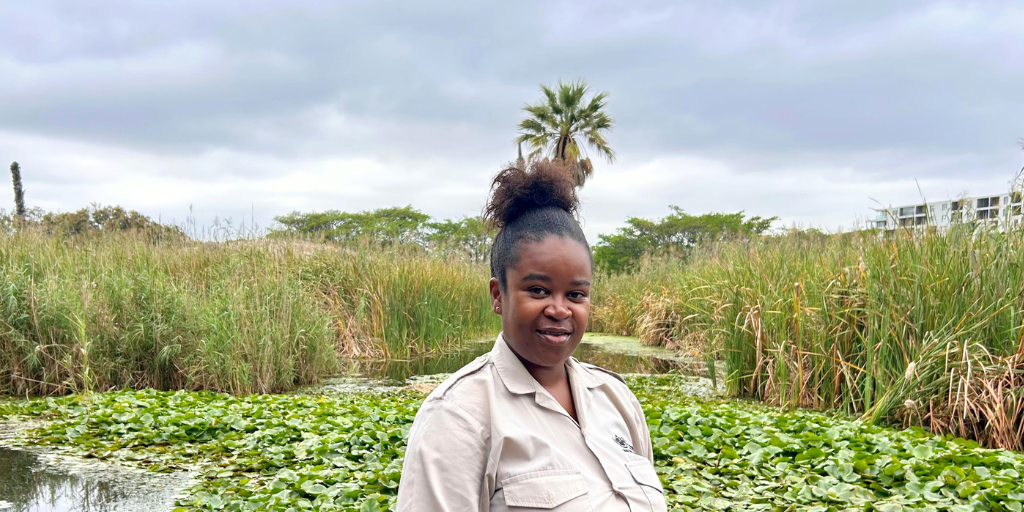
Our Conservation Officer, Ntombifuthi Kabinde, shares: “Wetlands within urban spaces are becoming increasingly important for migratory birds, and this is exactly why Intaka Island plays such a vital role. Surrounded by the Century City development, the island provides essential feeding grounds, shelter, and safe resting habitats for birds undertaking long-distance journeys. During migration seasons, visitors may be fortunate enough to spot regular visitors such as the Curlew Sandpiper, Wood Sandpiper, or the striking Yellow-billed Kite stopping over to rest and refuel before continuing their travels.
In line with the 2026 theme, ‘Every Bird Counts – Your Observations Matter’, visitors are encouraged to become part of the conservation journey by recording their bird sightings on the Intaka Island Gem of the Western Cape Facebook page. This data is vital for our long-term monitoring efforts and helps us understand how migration patterns are shifting right here in Century City.”