Intaka Island Becomes New Hope for Rare Wetland Plant
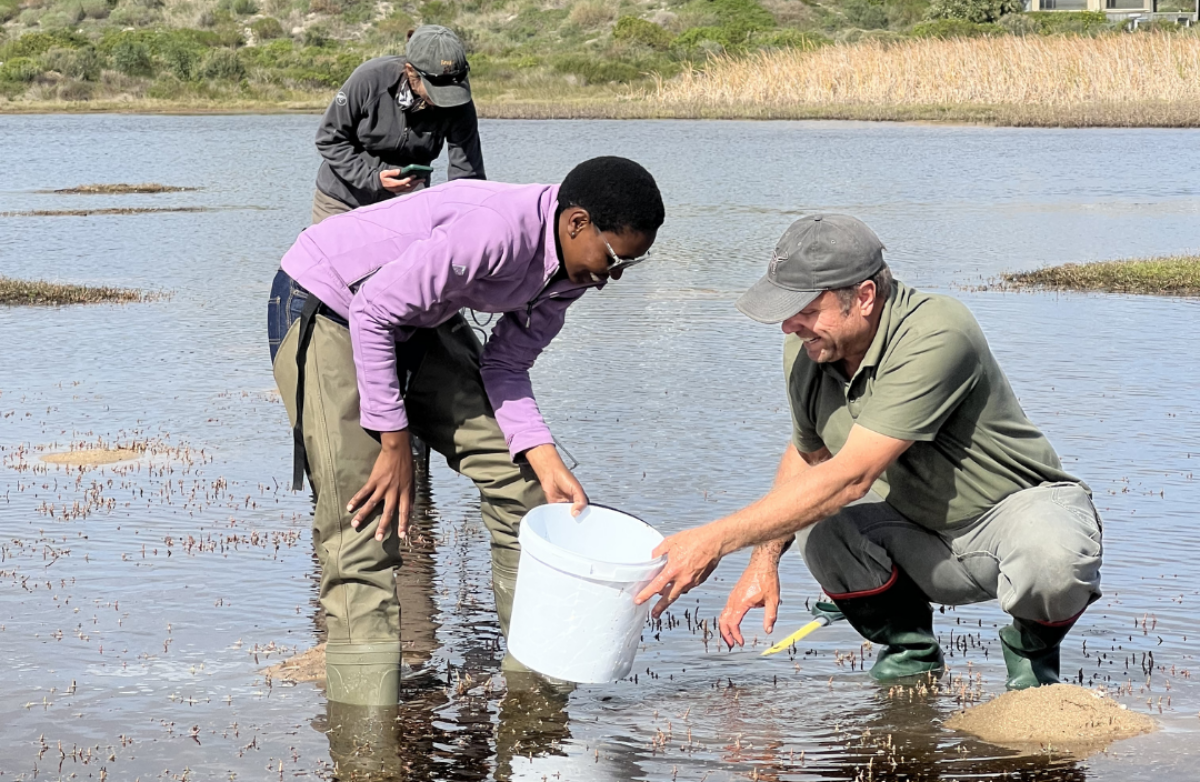
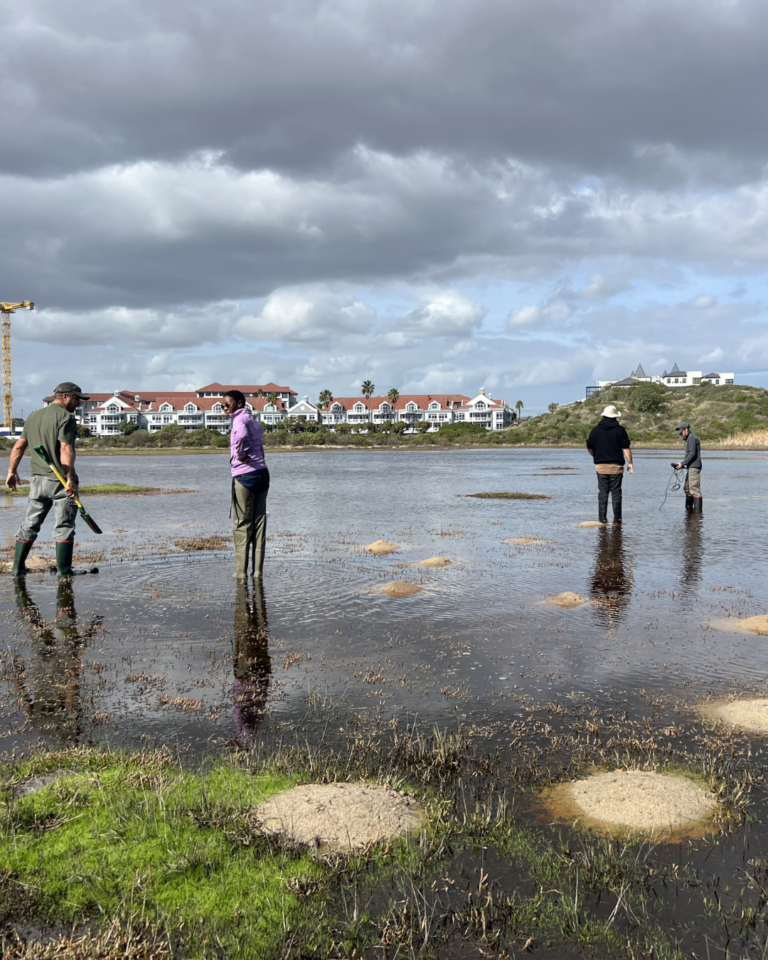
On 13 May 2026, a collaborative team from the City of Cape Town and Intaka Island visited Acacia Park Wetland for a translocation of the Floating Buttons (Cotula myriophylloides) to Intaka Island.
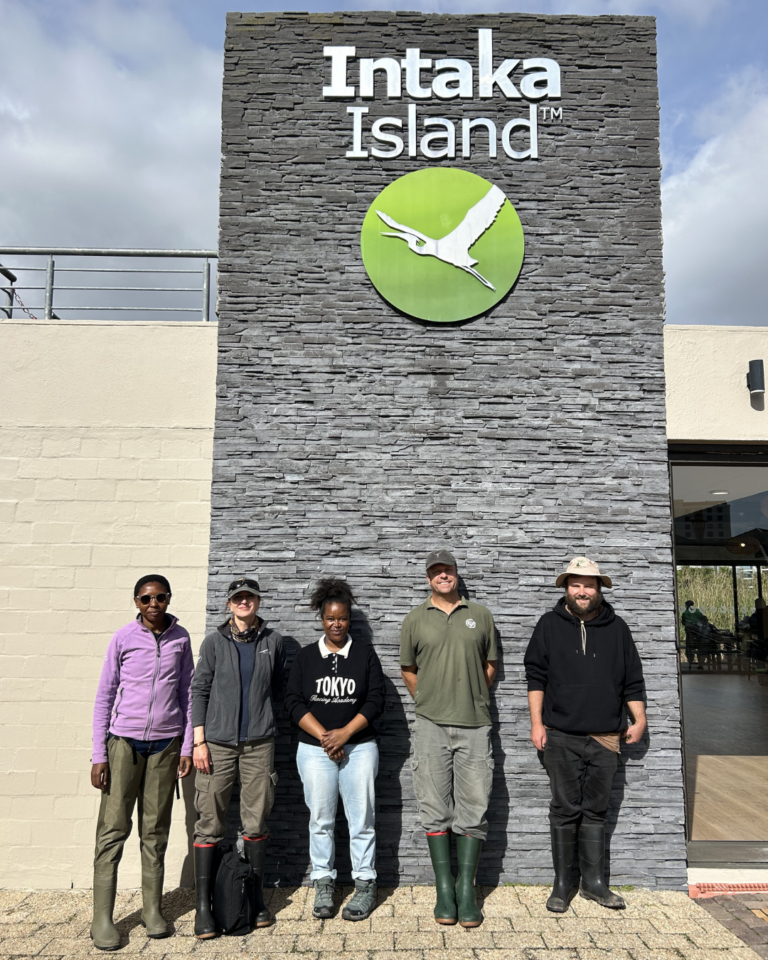
The group included Clifford Dorse, Head of Conservation Services; Lumka Madolo, Habitat Restoration Coordinator; Suretha Dorse, Freshwater Ecology and Priority Species Projects, all from the Biodiversity Management Branch in the City’s Environmental Management Department; Dr Stuart Hall, Botanist and member of the Blouvlei Intaka Island Environmental Committee and Ntombifuthi Kabinde, Intaka Island Nature Conservation Officer.
Together, the team carefully collected a small number of plants as part of an important conservation initiative aimed at safeguarding one of the Cape’s most critically endangered wetland plant species.
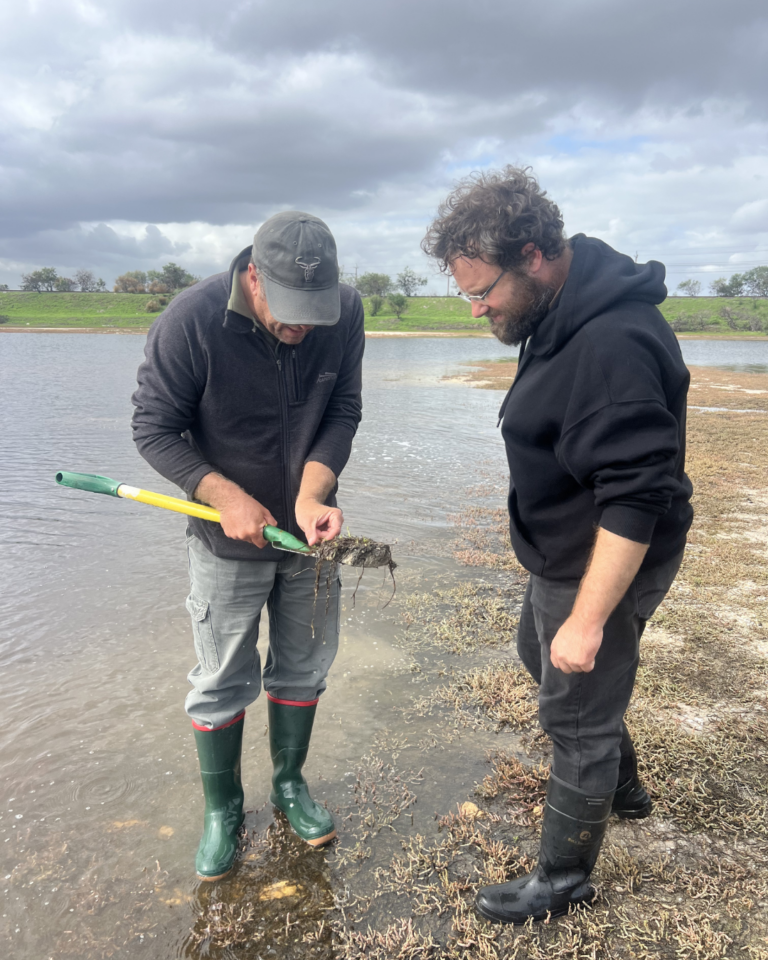
Clifford Dorse (left) and Stuart Hall (right) carefully extract a Floating Buttons plant
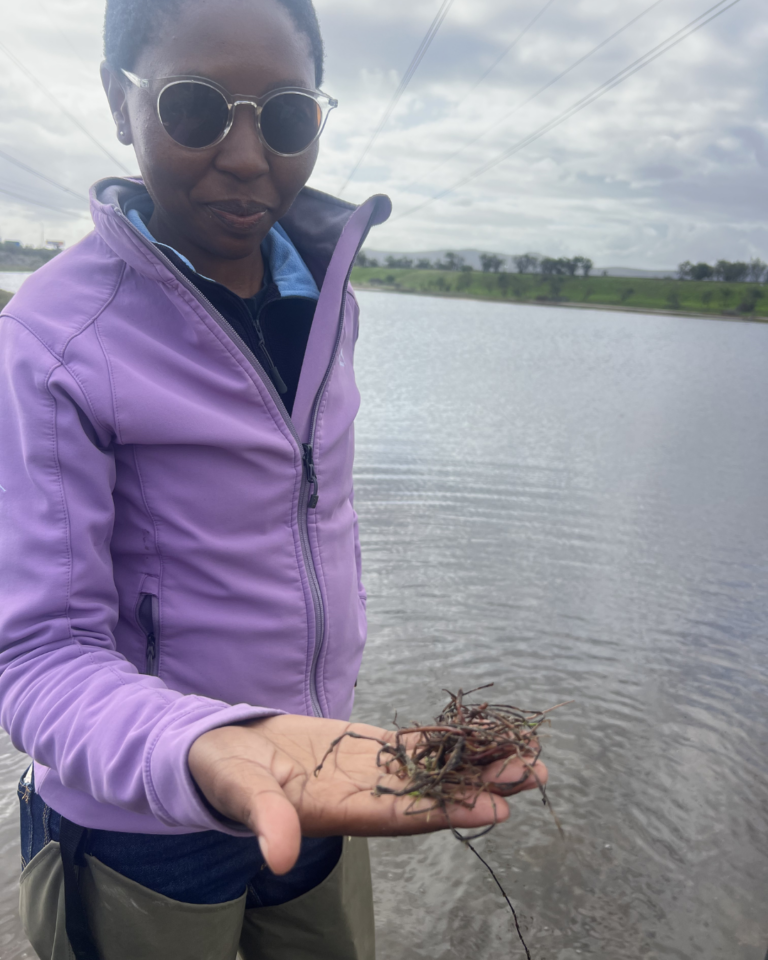
Lumka Madolo (Habitat Restoration Coordinator) at the Transnet Site
Why is Cotula myriophylloides so significant?
Also known as Floating Buttons or “ Salt Pan Daisy ”, this extremely rare, aquatic South African daisy species belonging to the Asteraceae family,was last officially recorded in Cape Town in 1926 and long believed to be extinct. After almost 100 years without a confirmed sighting in Cape Town, the species was recently rediscovered in an extraordinary conservation milestone for the city and the broader scientific community in 2024.
Historically, the species occurred across wetlands stretching from Noordhoek to Table Bay, thriving within the unique Cape Lowland Freshwater Wetland ecosystem. However, decades of habitat loss, urban expansion, invasive vegetation and wetland degradation caused severe population decline over time, eventually leading to the belief the species had disappeared entirely.
The Rediscovery at Acacia Park - Almost a Century Later
The rediscovery of Cotula myriophylloides has reignited hope for the conservation of Cape Town’s fragile wetland systems, yet the species remains Critically Endangered.
The Acacia Park site where the very healthy population of Floating Buttons was discovered, is owned by Transnet. Transnet were very excited by the discovery and are working with the City of Cape Town Biodiversity Management Branch in an effort to conserve the wetland in question.
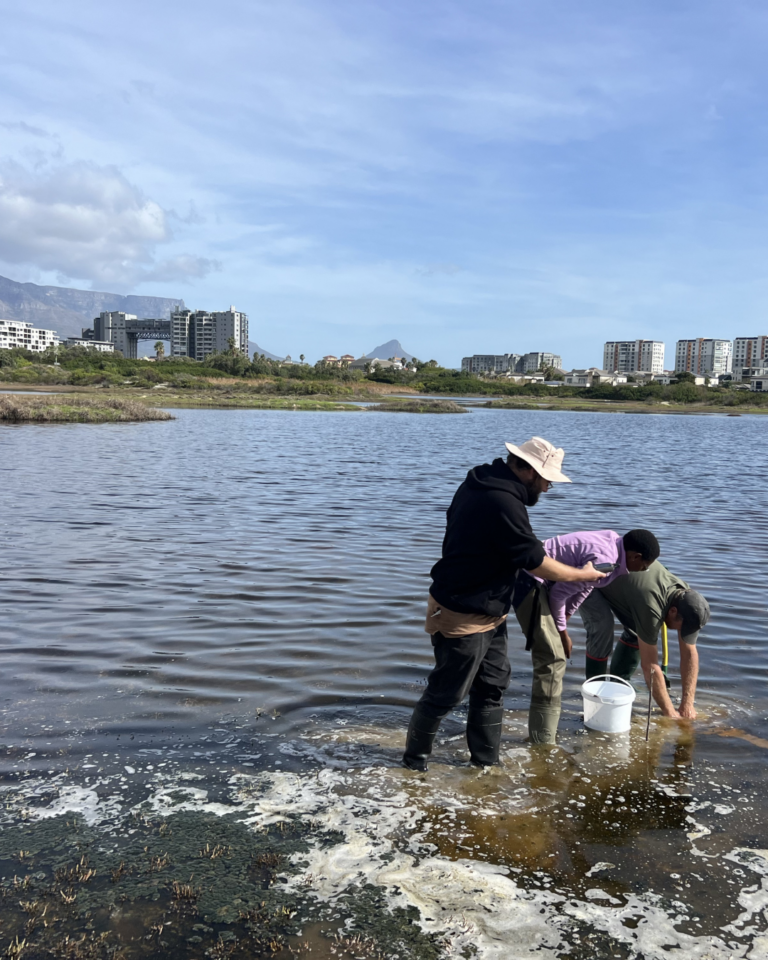
Pictured left to right: Ntombifuthi Kabinde, Dr Clifford Dorse, Lumka Madolo, Suretha Dorse, Dr Stuart Hall.
But Why Intaka Island?
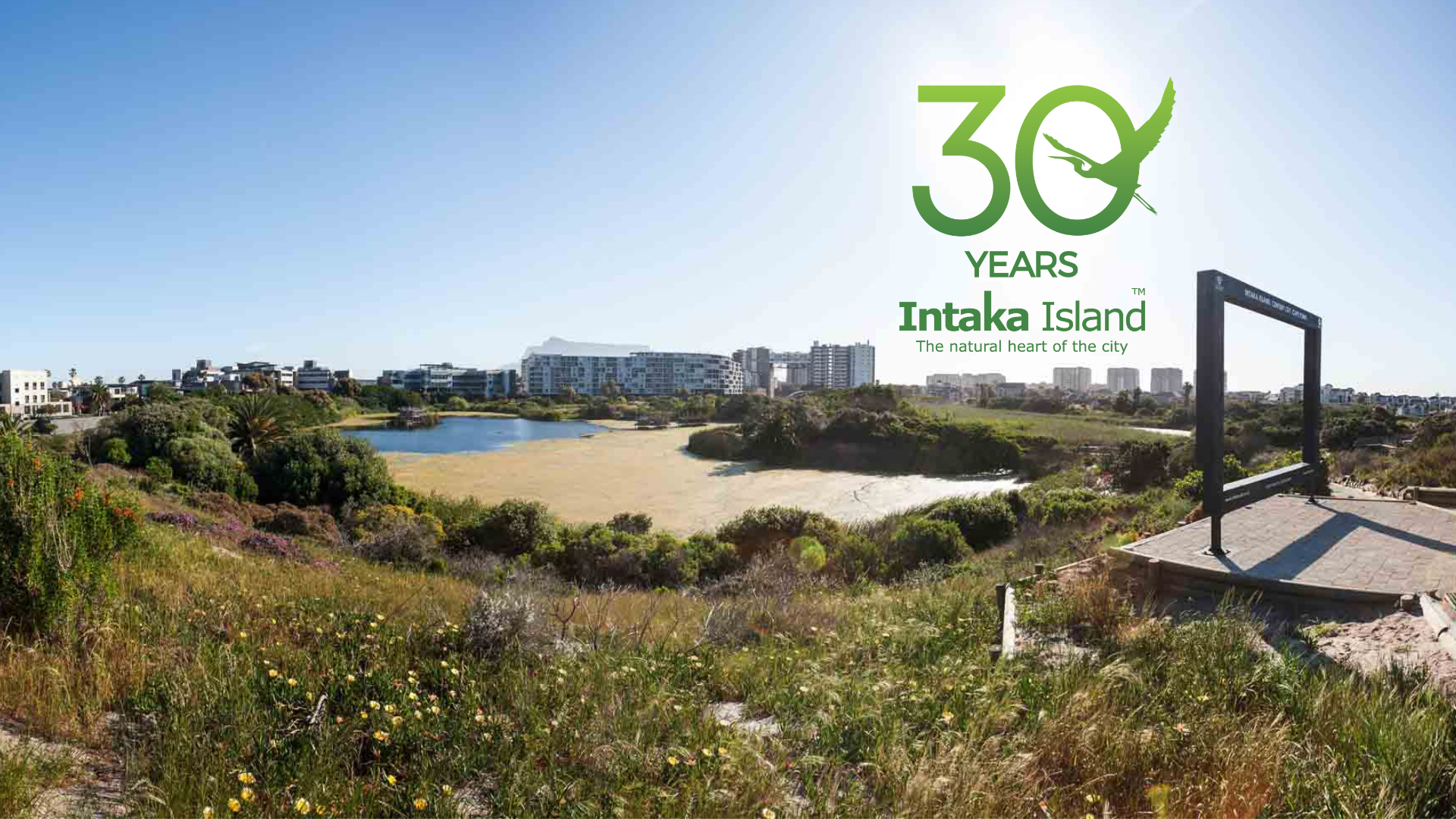
“Intaka Island was selected as a translocation site for Cotula myriophylloides because its seasonal wetland closely resembles the species’ natural habitat at Acacia Park, particularly in terms of clay-rich soils, salinity, pH, and overall wetland conditions. Water quality assessments conducted in 2024, and the presence of other aquatic macrophytes, indicate a functioning ecosystem capable of supporting this Critically Endangered species. The site’s protected status and active ecological management by the Century City Property Owners Association’s (CCPOA) conservation team further improve the likelihood that the species will successfully adapt, establish, and thrive over time,” says Louise de Roubaix, Environmental Manager of the CCPOA.
The translocation effort forms part of broader conservation work aimed at protecting the unique biodiversity of the Cape Flats wetlands for future generations. Through collaborative initiatives such as this, the City and Intaka Island continue to play an important role in safeguarding ecosystems and species found nowhere else on Earth.
Now, the real test awaits — with hopes that these plants will successfully settle into their new environment and establish a thriving habitat at Intaka Island.