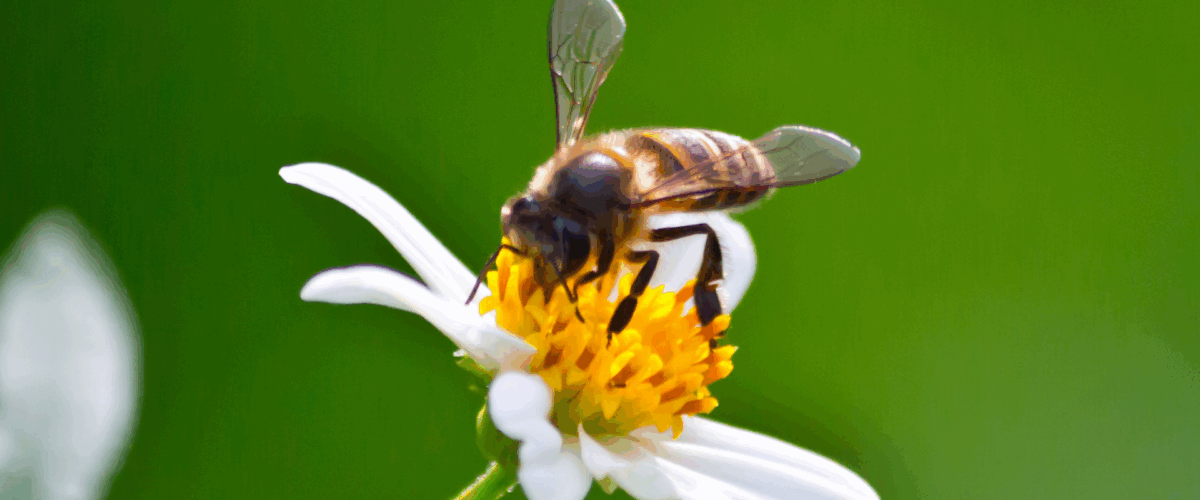
Every year on 20 May, the world pauses to celebrate the tiny but mighty creatures that play an outsized role in sustaining life on Earth: bees. Designated by the United Nations as World Bee Day, this important date raises awareness of the vital role bees and other pollinators play in keeping ecosystems healthy and food systems resilient.
Our world would be a very different place without bees and other pollinators! These amazing creatures are vital to our existence, and we owe them so much. Without pollinators, our diets would be very different, and so would our agriculture and biodiversity. Since 2018, World Bee Day has been an occasion to celebrate these tiny miracle workers globally.
In 2025, under the theme “Bee inspired by nature to nourish us all”, the World Bee Day celebration will shine light on the vital roles of bees and other pollinators in ecosystem restoration, biodiversity conservation and food security and nutrition.
Why are bees so important?
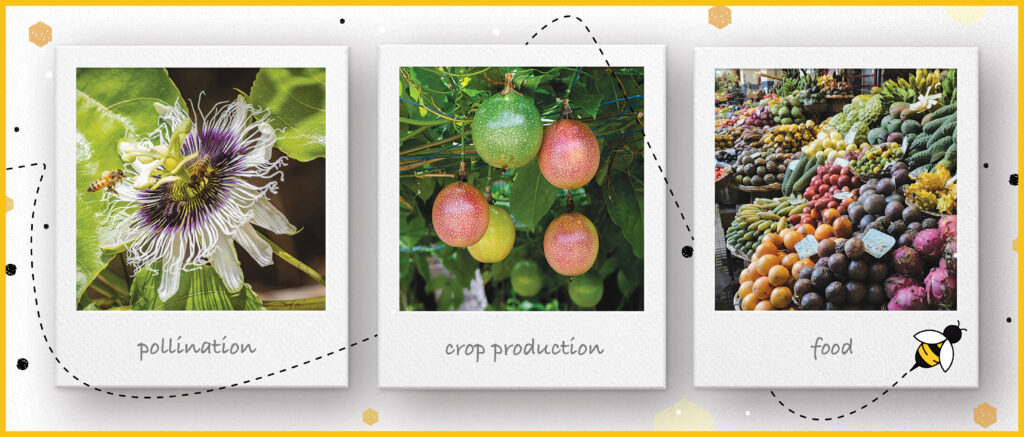
Bees are pollinators, nature’s essential messengers between plants. As they fly from flower to flower collecting nectar, they also transfer pollen, helping plants to reproduce. This process is essential for the growth of fruits, vegetables, nuts, and seeds. In fact, over 75% of the world’s food crops depend at least in part on pollination.
But bees do more than help fill our plates. They also support the health of wild plants, contribute to biodiversity, and keep entire ecosystems thriving, from forests and grasslands to wetlands like those found at Intaka Island.
A silent crisis: the decline of bees
In recent years, bee populations have been under severe threat due to habitat loss, pesticide use, disease, climate change, and monoculture farming. Their decline poses a serious risk to food security and biodiversity.
World Bee Day is not just a celebration, it’s a call to action. Protecting bees means protecting the health of our planet.
Bees at Intaka Island: a sustainable buzz
Right in the heart of Century City, Intaka Island is not only a sanctuary for birds and wetlands, it’s also home to its own beehives. These hives play an important role in supporting the island’s biodiversity by encouraging pollination among the many indigenous plants and flowers found throughout the reserve.
The bees at Intaka are a beautiful example of urban conservation in action. They remind us that even in city environments, we can create space for nature and support essential species like bees.
What you can do to help
You don’t need to be a beekeeper to protect bees! Here are a few simple ways you can make a difference:
Plant bee-friendly flowers like lavender, wild rosemary, and daisies
Avoid pesticides in your garden
Support local honey producers who practice ethical beekeeping
Create safe spaces for bees by leaving small areas wild or installing bee hotels
Teach others about the value of bees and pollinators
A moment to appreciate the humble bee
This World Bee Day, take a moment to appreciate the incredible work of bees, and to thank the tiny workers helping to keep our world blooming. At Intaka Island, we’ll be doing just that, with our bees buzzing quietly and purposefully among the reeds, reminding us that even the smallest creatures can have the biggest impact.